Source Rose Quartz Eye Mask for Relaxing, Swelling Reduction, and Fatigue Removal
Compare 30 listings for the rose quartz eye mask designed for eye care, skin tightening, and reducing puffiness. Buyers can evaluate natural stone materials, customization options, and OEM services from verified suppliers in Guangdong, China.
Key considerations
Products List





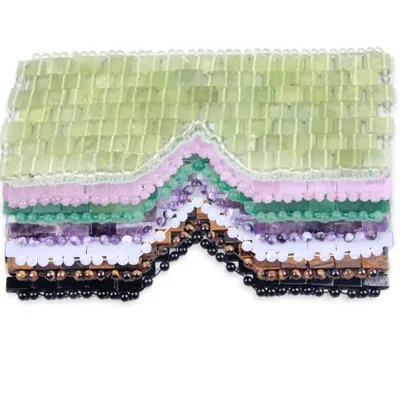
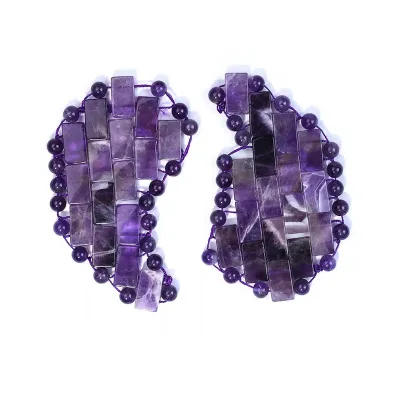
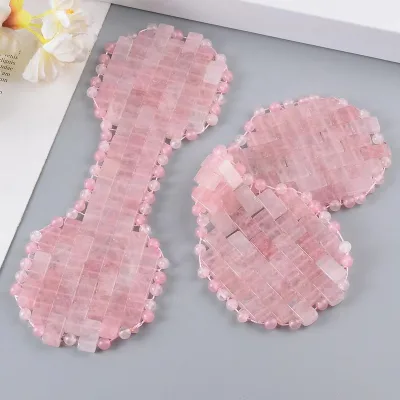
Comprehensive Sourcing Guide
Strategic Sourcing Guide for Rose Quartz Eye Masks
Understanding Product Variants and Material Composition
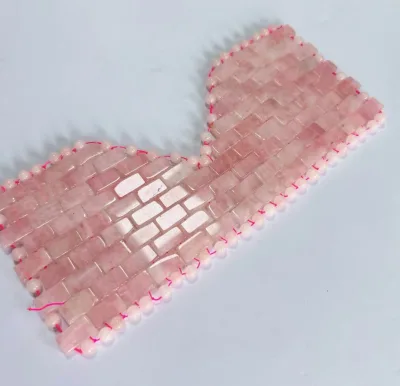
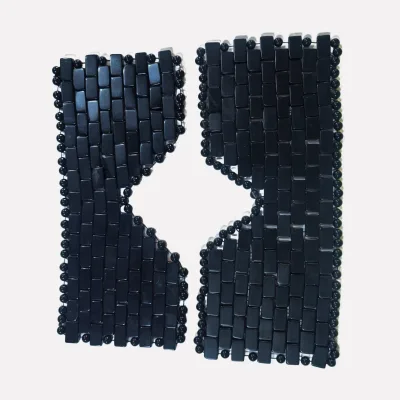
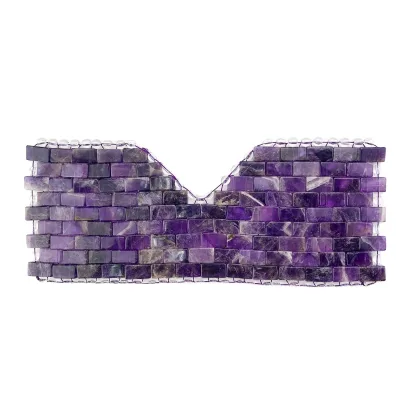
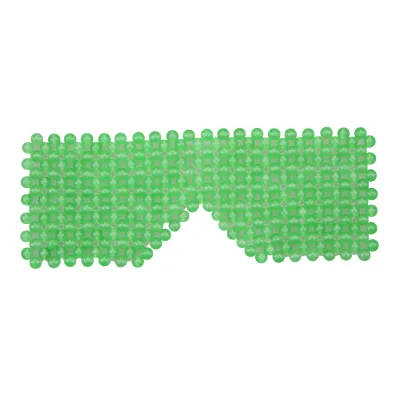
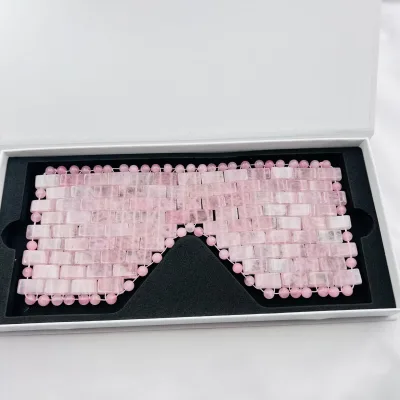
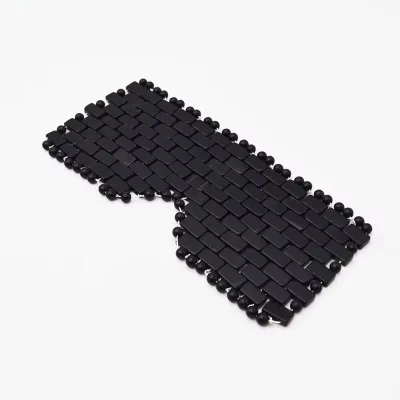
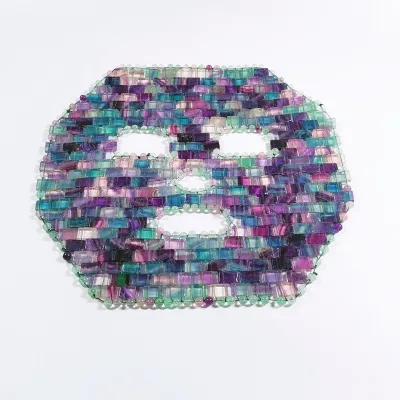
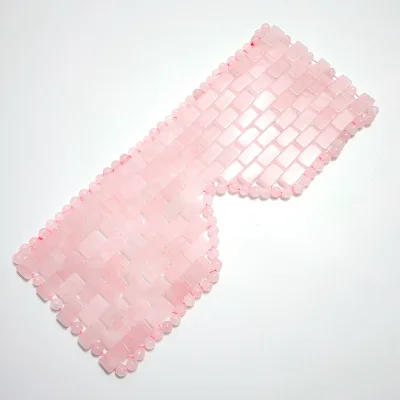
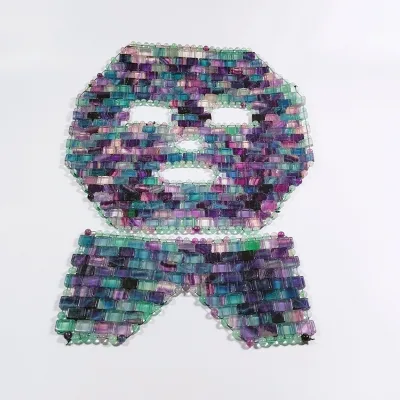
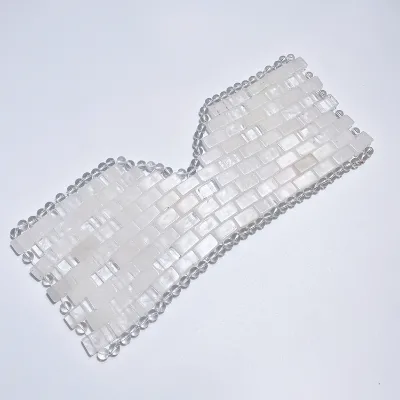
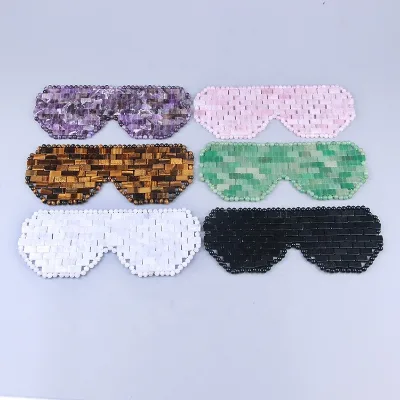
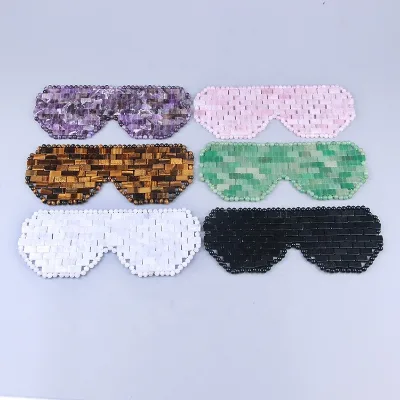
The procurement of rose quartz eye masks requires a nuanced understanding of the specific material compositions and functional variations available in the current market. Based on observed product data, the core keyword "rose quartz eye mask" encompasses a diverse range of items that share a common aesthetic and therapeutic intent but differ significantly in their physical construction and material sourcing. Buyers must distinguish between products that utilize 100% natural jade stone and rose quartz as primary materials and those that may incorporate pink quartz or black obsidian as alternative or supplementary components. The material specification is a critical differentiator; some listings explicitly state "100% Natural Jade Stone, rose quartz, pink quartz," while others identify the primary ingredient as "Natural Jade" or "Black Obsidian." This variation suggests that the term "rose quartz" in a product title may sometimes refer to the color profile or a specific stone inclusion rather than the sole material of the device.
Furthermore, the physical form of these products varies between "Pad" styles and handheld massagers. The observed data indicates a "Single package size" of 15x15x15 cm for certain units, suggesting a compact, portable design suitable for both commercial and home use. The color palette is predominantly pink, aligning with the rose quartz branding, though black and blue variants exist, likely corresponding to the obsidian or other stone types mentioned in the specifications. When sourcing, buyers should verify the exact material composition for each SKU, as the therapeutic claims associated with rose quartz (such as cooling effects and skin revitalization) are often tied to the specific geological properties of the stone. The classification of the product often falls under "Rose-quartz" or general "stone" categories, but the grade is frequently listed as "High," indicating a focus on quality in the stone selection.
Technical Specifications and Functional Capabilities
Technical specifications for rose quartz eye masks extend beyond simple material composition to include functional attributes, power requirements, and dimensional standards. The primary function of these devices is identified as "Body Healthcare Massage," with specific applications targeting the eye area for "fatigue removal," "swelling reduction," and "relaxing." The functional claims observed in product listings include "Face Lift," "Anti-Puffiness," "Skin Tightening," and "Wrinkle Remover." While these are marketing descriptors, they define the intended operational outcome of the device. The massage area is consistently specified as the "Eye Area," and the product is designed for "Unisex" use.
Power specifications vary significantly across the product range. Some units are battery-operated, with observed data noting a "Battery Capacity" of 500 mAh and a "Plug Type" of Battery. This indicates that certain models are electrically powered massagers, likely using the stone as a conductive or cooling element in conjunction with vibration or heat. In contrast, other listings describe the product simply as a "natural stone relaxing eyes mask massager" without explicit mention of electrical components, implying a passive thermal or manual massage tool. The model numbers observed, such as "JQ-20251115-4," "XW260117-33," and "GM00357," serve as unique identifiers for these distinct technical configurations. Buyers must carefully review the "Model Number" and "Single gross weight" (observed at 0.800 kg for specific units) to ensure the device meets their logistical and functional requirements. The "Item Form" is listed as "Pad," which suggests a wearable or compress-style application rather than a handheld wand.
Compliance, Certification, and Safety Verification
When sourcing rose quartz eye masks, verifying compliance and safety standards is paramount, particularly given the direct contact with sensitive eye areas and the potential for electrical components in battery-operated models. The supplied product data does not explicitly list specific certification statuses such as CE, FDA, or RoHS. Therefore, buyers cannot assume that any listed product automatically meets international safety standards. The absence of stated certifications in the provided facts necessitates a proactive verification process where the buyer must request current test reports and compliance documentation from the supplier.
For products containing electrical components, such as those with a 500 mAh battery, compliance with electrical safety standards is essential to prevent risks of overheating or battery failure. Buyers should verify that the supplier has conducted appropriate testing for electrical safety, particularly regarding the "Plug Type" and battery capacity. For non-electric stone masks, the focus shifts to material safety. Since the materials are described as "100% Natural Jade Stone" and "Rose Quartz," buyers should inquire about the source of the stones to ensure they are free from harmful heavy metals or chemical treatments. The "Grade" is listed as "High," but this is a subjective claim without a standardized metric in the provided data. Consequently, buyers should request third-party laboratory test results confirming the purity and safety of the stone materials. Additionally, the "After-sale Service" of "Return and Replacement" suggests a baseline of quality assurance, but this should be formalized in the contract with clear terms regarding defect rates and safety-related returns.
Cost Drivers and Pricing Dynamics
The pricing structure for rose quartz eye masks is influenced by several key factors, including material authenticity, manufacturing complexity, and customization options. The observed listed price range in the market data spans from $0.15 to $35.00 USD. This wide variance indicates a highly segmented market where price is a strong indicator of the product's complexity and material quality. The lower end of the spectrum likely corresponds to simple, non-electric stone pads or massagers with minimal packaging, while the higher end may reflect electrically powered units with advanced features, higher-grade stones, or more elaborate packaging.
Material costs are a primary driver, with the use of "100% Natural Jade Stone" and "Rose Quartz" commanding a premium over synthetic or composite alternatives. The "High" grade designation suggests that suppliers at the higher price points are sourcing premium stones. Manufacturing complexity also plays a role; units with battery compartments, circuitry, and specific "Plug Type" configurations will inherently cost more to produce than passive stone masks. Customization is another significant cost factor. The data confirms that "Logo Customized" and "OEM/ODM" services are available. Buyers seeking custom branding, unique packaging, or specific model modifications should anticipate higher unit costs and potentially higher Minimum Order Quantities (MOQ). The observed MOQ range is extensive, spanning from 2 to 10,000 units. This flexibility allows buyers to scale their orders based on budget and demand, but it also means that unit prices will fluctuate inversely with order volume. Buyers must balance the desire for low MOQs with the need for cost-effective pricing, understanding that smaller orders often carry a higher per-unit cost due to setup and production inefficiencies.
Supplier Evaluation and Operational Capabilities
Evaluating suppliers for rose quartz eye masks requires a thorough assessment of their operational capabilities, customization flexibility, and geographic location. The observed data indicates that the "Place of Origin" for these products is primarily "Guangdong, China," a region known for its robust manufacturing ecosystem for beauty and personal care devices. Buyers should verify the specific factory location within Guangdong, as proximity to ports and supply chains can impact lead times and logistics costs.
A critical aspect of supplier evaluation is their ability to handle customization. The data confirms that "Brand Name" options include "No logo, custom logo," and that "OEM/ODM" is "Acceptabe." This indicates that suppliers are willing to work with buyers to create private-label products. However, buyers must clarify the extent of this customization. Does it include only logo placement, or does it extend to packaging design, product form, and material sourcing? The "Sample Provided" attribute is a positive indicator, suggesting that suppliers are willing to provide prototypes for evaluation before bulk production. Buyers should utilize this opportunity to assess the quality of the "Single gross weight," "Single package size," and overall finish of the product.
Furthermore, the "After-sale Service" of "Return and Replacement" is a vital metric for supplier reliability. Buyers should inquire about the specific terms of this service, including the timeframe for returns, the process for handling defective units, and whether the supplier covers shipping costs for returns. The "MOQ" of 100 Sets for some models suggests that while small orders are possible, there may be a threshold for standard production runs. Buyers should negotiate MOQs based on their initial market testing needs, keeping in mind that the observed range allows for orders as low as 2 units in some cases.
Quality Control and Long-Term Procurement Strategy
Implementing a robust quality control (QC) strategy is essential for maintaining the integrity of rose quartz eye mask products. Given the variation in materials and the potential for electrical components, a multi-stage QC process is recommended. The first stage should involve a pre-production sample review, where the buyer verifies the "Material" composition, "Color" accuracy, and "Model Number" against the agreed specifications. The "Single package size" and "Single gross weight" should be measured to ensure consistency with the supplier's claims.
During mass production, buyers should implement in-process inspections to monitor the assembly of electrical components, such as the battery installation and circuitry, if applicable. For stone-based products, visual inspections are crucial to check for cracks, uneven polishing, or inconsistencies in the "Rose-quartz" classification. The "Feature" list, which includes claims like "Skin Revitalizer" and "Anti-Puffiness," should be validated through functional testing to ensure the product delivers the promised benefits. Buyers should also verify the "Shelf Life" and "Classification" of the product to ensure it meets regulatory requirements in the target market.
For long-term procurement, building a strategic partnership with the supplier is key. The availability of "Logo Customized" and "OEM/ODM" services suggests that suppliers are open to long-term collaboration. Buyers should establish clear communication channels regarding production schedules, quality standards, and any changes in material sourcing. The "Application" of the product for "Commercial & Home Use" implies a broad market potential, and buyers should plan for scalability. By maintaining a consistent order volume and leveraging the supplier's customization capabilities, buyers can secure better pricing and prioritize their orders during peak production periods. Regular audits and performance reviews will help ensure that the supplier continues to meet the high standards required for the beauty and healthcare sectors.
FAQs
What materials are used in rose quartz eye masks?
Products typically use 100% natural jade stone, rose quartz, and pink quartz. Some variants may also incorporate black obsidian as an alternative material. Buyers should verify the exact composition for each model to ensure the stone quality matches their requirements.
Can I get a custom logo on these eye masks?
Yes, custom logo services are available for most models. Suppliers accept OEM and ODM requests, allowing for personalized branding on the product or packaging. This customization option is suitable for both commercial and home use applications.
What is the minimum order quantity for these masks?
The minimum order quantity ranges from 2 to 10,000 units depending on the specific model and supplier. Some standard models require a minimum of 100 sets, while others allow for smaller trial orders. Buyers should confirm the exact MOQ with the supplier before placing an order.
Are these eye masks battery operated or manual?
Some models are battery-operated with a 500 mAh capacity, while others are passive stone massagers. The battery-operated versions use a plug type compatible with battery power. Buyers must check the specific model number to determine if electrical components are included.
Where are these products manufactured?
The primary place of origin for these products is Guangdong, China. This region is known for its manufacturing capabilities in beauty and personal care devices. Buyers should verify the specific factory location to assess logistics and lead times for their orders.
What are the main functions of these eye masks?
Key functions include fatigue removal, swelling reduction, and relaxing the eye area. They also claim benefits like face lifting, skin tightening, and wrinkle removal. The product is designed for unisex use and targets the eye area specifically for these therapeutic effects.